
Videodrome: Los límites más íntimos de la pura diversión (1969)
(Bienvenido a Videodrome . Una columna mensual que explora las profundidades del cine subterráneo clásico, desde el culto, la explotación, la basura y el grindhouse hasta la ciencia ficción, el terror, el noir y más).
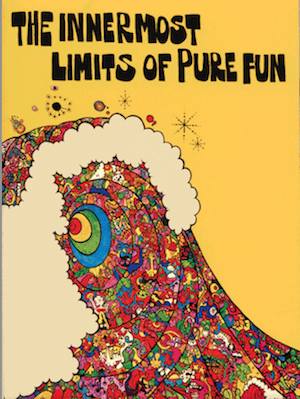 George Greenough creció como muchos jóvenes costeros de So-Cal en la década de 1950 ... en el agua. Pero lo que hizo diferente a Greenough fue su deseo de aprender absolutamente todo lo que pudiera sobre el océano. En las formas más simples: cómo funciona y, lo que es más impactante en la cultura del surf actual, la física detrás del rendimiento óptimo del hombre y su equipo en el gran azul. Desde tablas hasta aletas, sus logros son numerosos. Pero comencemos con sus hazañas como cineasta (y fotógrafo), porque su impacto al dirigir (posiblemente) la película de surf más progresista de cualquier época, ha trascendido la cultura mucho más allá del surf.
Los límites más íntimos de la pura diversión, filmada en 1969, capturó las primeras etapas de la revolución del shortboard. Hasta este momento, los longboards dominaban la alineación y eran prácticamente el único modo de transporte de olas. Sin embargo, el equipo con el que trabajaba Greenough (australianos, Nat Young y Bob McTavish) desafió la idea de cómo debería verse, sentirse y medir una tabla. Verá, Greenough descubrió que para lograr las cosas que quería hacer en una ola (maniobras de horquilla, recortes, aire salvaje en los labios), necesitaba montar de rodillas, en una tabla mucho más corta y con forma de cuchara. Un concepto bastante arrollador, pero demostró que esto le permitía la máxima velocidad y control ... los australianos estuvieron de acuerdo y, en pocas palabras (juego de palabras semi intencionado), McTavish (pionero de la formación de tablas) cortó su tronco y comenzó a rippin '. Greenough estuvo allí para filmarlo todo y estas sesiones conforman el metraje de la película. ¿Límites más íntimos de pura diversión ? Cheque.
Con un poco de historia fuera del camino, centrémonos en algunos aspectos prácticos de la película en sí ...
Utilizando una hermosa película de 16 mm, Greenough buscó la toma perfecta. Y, quiero decir, literalmente persiguió a sus sujetos. Mientras viajaba en el bolsillo de una ola, Greenough, armado con una cámara pesada atada a su espalda (o montada en el morro de su tabla), navegó por barriles retorcidos, rompientes de arrecifes, dobles y olas que se desmoronaban por igual ... todo al servicio de dar el espectador el surf prospectivo más codiciado: el paseo en metro. Lo cual, hasta este período de tiempo en particular, nunca se había hecho antes. La única forma de lograr este punto de vista era salir y hacerlo usted mismo.
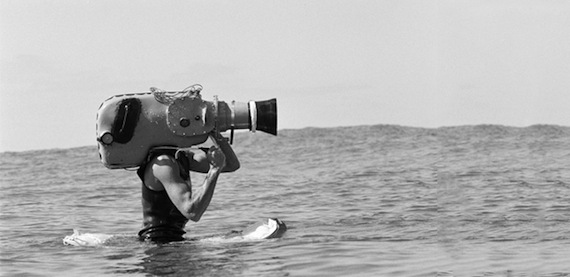
¿La filmación de surf dio un vuelco y se redefinió como el nuevo estándar? Compruebe (de nada, GoPro).
Volviendo a la película ... Seguimos a Greenough y su equipo mientras saltan por la remota Australia y, notablemente intacta, California, montando sus radicales embarcaciones marinas ... mientras básicamente establecen el punto de referencia para el rendimiento de surf elegante y viven una vida modelo que los surfistas actuales emulan a diario. Estos muchachos fueron innovadores y antepasados del deporte moderno y hay algo tan absolutamente satisfactorio en ver sus aventuras históricas y su inclinación por la vida, que es posible que ni siquiera reconozcas que todo sirve como narrativa de la película.
Y, ¿qué combina bien con una narrativa visual atemporal? Bueno, una eterna banda sonora improvisada de la banda de psicología The Farm de San Francisco . No se habla ni una palabra en esta película ... solo surcos gruesos y pesados. La música y las imágenes coexisten tan perfectamente en la película que cualquier explicación enturbiaría la experiencia.
The Farm se inspira en los antepasados de la música surf como: Dick Dale, The Ventures y Beach Boys, pero frota un poco de la psique del área de la bahía en las improvisaciones que proporcionan el paisaje sonoro para algunos de los surfing más progresivos, expresivos y elegantes capturados en una película. Golpes de líneas de bajo, zumbidos de teclas y un intrincado trabajo de guitarra que retrocede y se rompe como el agua. Simplemente, cosas excepcionales aquí.
Estos músicos en una situación improvisada, lograron tejer la conversación entre los surfistas, las olas y el espectador. Cabe señalar que todos son nombres familiares. Dennis Dragon concibió el proyecto y pasó a formar Surf Punks. Su hermano Daryl era (no bromeo)… Capitán de Captain and Tenille y el guitarrista principal Denny Aaberg se metieron en varios proyectos como escribir la película de surf de Gary Busey, Big Wednesday .
Sin embargo, no son solo olas y buenas melodías para Greenough, ya que vemos brillar su arte en todo momento. Incluye codas visuales que consisten en: una quema ceremoniosa de un longboard, una cena lúdica, diablos, en un momento Greenough se acuesta (con la cámara en la mano) y los chicos le arrojan un gato. Luego agrega algo de cámara lenta y sirve como una transición espacial. Y, entre las olas y los bits artísticos, eso es todo durante una hora y media. Te queda una gran cantidad de estimulación sensorial y lo más probable es que hayas comenzado a preguntarte qué diablos estás haciendo con tu vida. En una visión simplista, estos tipos se ven bien, se divierten todo el tiempo y básicamente tienen todo resuelto.
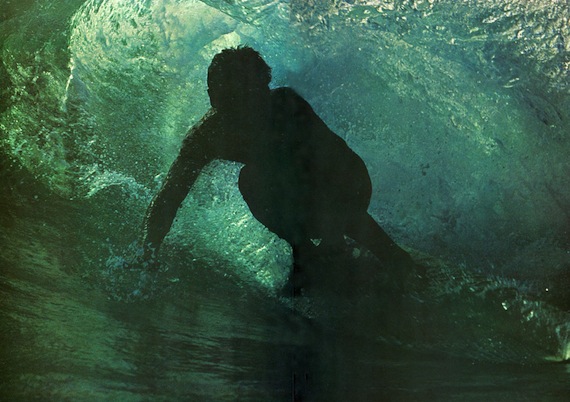
El impacto que ha proporcionado esta pequeña joya abarca un espectro bastante impresionante. Pink Floyd utilizó imágenes de Greenough en videos musicales; ha habido un cambio extremo en el equipo de agua (barcos incluidos); e incluso podrías argumentar que la camisa a rayas que quieres usar en la playa se debe a estos tipos. Sin embargo, para Greenough, esos ideales no están aquí ni allá.
Recientemente tuve la oportunidad de ver algunos momentos descubiertos de imágenes de estas sesiones, ahora conocidas como los momentos internos (perdidos) de pura diversión . Greenough narra cómo capturó las tomas ... pero para él, parece un deber autoimpuesto como waterman. Comprendió la física detrás del surf mejor que nadie en el planeta y aprovechó sus conocimientos para beneficiar a todos.
La película es fácil de recoger en su tienda de surf local o incluso en Amazon. Investigue un poco por su cuenta sobre este tipo, sus logros son trascendentes e innumerables. Pero, incluso hoy, no se duerme en los laureles ... porque como las mareas, la relación de un hombre con el mar siempre está cambiando


